
Korean Beef Noodles: Discover a Flavorful Delight!
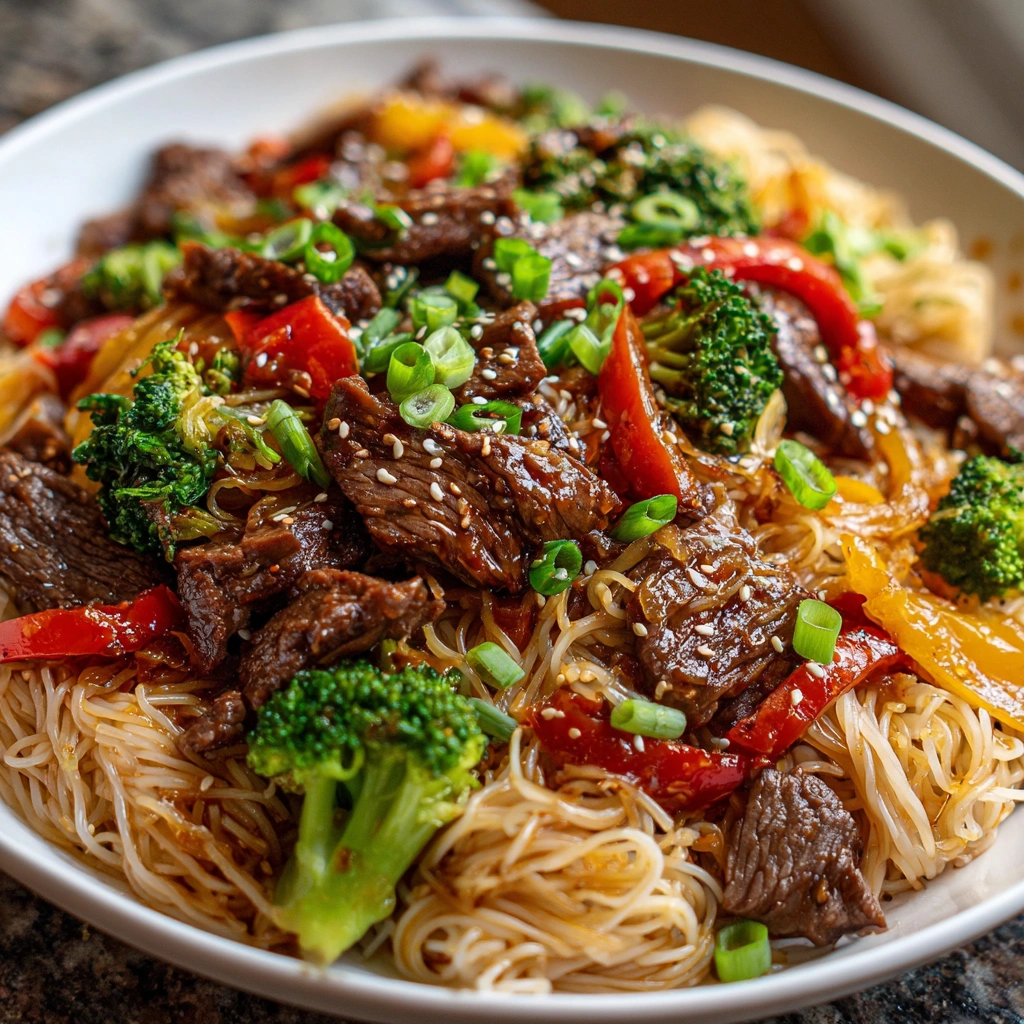
Introduction to Korean Beef Noodles
As a busy mom, I know how challenging it can be to whip up a meal that everyone will love. That’s where my go-to recipe for Korean Beef Noodles comes in! This dish is not only a quick solution for those hectic weeknights, but it also brings a burst of flavor that can impress even the pickiest eaters. Imagine tender beef mingling with savory noodles and vibrant veggies, all coated in a delicious sauce. It’s comfort food at its finest, and trust me, your family will be asking for seconds!
Why You’ll Love This Korean Beef Noodles
This recipe for Korean Beef Noodles is a lifesaver for busy days. It’s quick to prepare, taking just 30 minutes from start to finish. The flavors are bold yet comforting, making it a hit with everyone at the table. Plus, it’s versatile! You can easily swap in your favorite veggies or adjust the spice level. It’s a delightful way to bring a taste of Korea into your home without the fuss!
Ingredients for Korean Beef Noodles
Gathering the right ingredients is key to making delicious Korean Beef Noodles. Here’s what you’ll need:
- Beef sirloin: Tender and flavorful, this cut cooks quickly and adds richness to the dish.
- Rice noodles: These gluten-free noodles soak up the sauce beautifully, providing a delightful texture.
- Soy sauce: A staple in Korean cuisine, it adds depth and umami to the dish.
- Sesame oil: This oil brings a nutty flavor that enhances the overall taste of the noodles.
- Garlic: Freshly minced garlic adds a punch of flavor and aroma that’s hard to resist.
- Ginger: Grated ginger gives a warm, spicy note that complements the beef perfectly.
- Broccoli florets: These add a pop of color and crunch, plus they’re packed with nutrients.
- Bell pepper: Sliced bell peppers bring sweetness and vibrant color to the dish.
- Green onions: Chopped green onions provide a fresh, crisp finish when sprinkled on top.
- Gochujang: This Korean chili paste adds a spicy kick and a hint of sweetness, making the dish truly authentic.
- Salt and pepper: Essential for seasoning, these will help balance the flavors.
Feel free to get creative! You can substitute the beef with chicken or tofu for a different protein. If you’re not a fan of broccoli, try snap peas or carrots instead. The exact quantities for each ingredient are listed at the bottom of the article for your convenience, ready for printing!
How to Make Korean Beef Noodles
Now that you have all your ingredients ready, let’s dive into making these delicious Korean Beef Noodles. Follow these simple steps, and you’ll have a mouthwatering meal in no time!
Step 1: Cook the Rice Noodles
Start by cooking the rice noodles according to the package instructions. Usually, this means boiling them in water for about 4-6 minutes. Keep an eye on them, as they can become mushy if overcooked. Once they’re tender, drain and rinse them under cold water to stop the cooking process. Set them aside while you prepare the rest of the dish.
Step 2: Sauté the Beef
Next, heat a large skillet over medium heat and add the sesame oil. Once the oil is hot, toss in the thinly sliced beef. Cook it for about 3-4 minutes, stirring occasionally, until it’s browned and cooked through. The key here is to not overcrowd the pan, as this can steam the beef instead of searing it. You want that lovely caramelization!
Step 3: Add Aromatics
Now, it’s time to amp up the flavor! Add the minced garlic and grated ginger to the skillet. These two ingredients are the heart of the dish, bringing warmth and depth. Sauté them for about a minute, just until fragrant. Be careful not to burn them, as that can turn the flavor bitter.
Step 4: Incorporate Vegetables
Once the garlic and ginger are aromatic, it’s time to add the broccoli and bell pepper. Stir them in and sauté for about 3-4 minutes until they’re tender but still crisp. This timing is crucial; you want the veggies to retain their vibrant color and crunch. They’ll add a lovely texture to your Korean Beef Noodles.
Step 5: Mix in Sauces
Now, let’s bring everything together with flavor! Pour in the soy sauce and gochujang. Stir well to combine, ensuring that the beef and veggies are coated in that delicious sauce. The gochujang adds a spicy kick, so feel free to adjust the amount based on your heat preference. Let it simmer for a minute to meld the flavors.
Step 6: Combine Noodles and Beef Mixture
It’s time to add the cooked rice noodles to the skillet. Toss everything together gently, ensuring the noodles are well coated in the sauce. This step is where the magic happens! The noodles will soak up all those wonderful flavors, making each bite a delight.
Step 7: Season and Garnish
Finally, season your dish with salt and pepper to taste. Don’t forget to sprinkle the chopped green onions on top for a fresh finish. They add a lovely crunch and a pop of color. Serve your Korean Beef Noodles hot, and watch your family dig in with smiles!
Tips for Success
- Prep all your ingredients before starting to cook. It makes the process smoother!
- Don’t overcook the beef; it should be tender and juicy, not tough.
- Adjust the spice level by adding more or less gochujang to suit your taste.
- For extra flavor, marinate the beef in soy sauce for 15 minutes before cooking.
- Use a non-stick skillet to prevent sticking and make cleanup easier.
Equipment Needed
- Large skillet: A non-stick skillet works best, but any large pan will do.
- Pot: For boiling the rice noodles, a medium-sized pot is perfect.
- Colander: To drain the noodles after cooking.
- Spatula or tongs: For stirring and tossing the ingredients together.
Variations of Korean Beef Noodles
- Vegetarian Option: Substitute beef with tofu or tempeh for a plant-based version. Add extra veggies like mushrooms or zucchini for more texture.
- Spicy Kick: For those who love heat, add sliced fresh chili peppers or a dash of chili flakes along with the gochujang.
- Low-Carb Version: Swap rice noodles for zucchini noodles or shirataki noodles to reduce carbs while still enjoying the flavors.
- Extra Veggies: Incorporate other vegetables like snap peas, carrots, or baby corn for added nutrition and color.
- Gluten-Free Soy Sauce: Use tamari instead of regular soy sauce to keep the dish gluten-free while maintaining flavor.
Serving Suggestions for Korean Beef Noodles
- Pair with a light cucumber salad for a refreshing contrast.
- Serve with steamed dumplings or spring rolls for a complete meal.
- Enjoy with a chilled glass of iced green tea to balance the flavors.
- Garnish with sesame seeds for an extra touch of elegance.
FAQs about Korean Beef Noodles
As you embark on your culinary adventure with Korean Beef Noodles, you might have a few questions. Here are some common queries I’ve encountered, along with helpful answers!
Can I make Korean Beef Noodles ahead of time?
Absolutely! This dish can be made ahead and stored in the fridge for up to three days. Just reheat it in a skillet over medium heat, adding a splash of water or broth to keep it moist.
What can I substitute for gochujang?
If you can’t find gochujang, you can use sriracha or a mix of red pepper flakes and a bit of sugar. It won’t be quite the same, but it will still add a nice kick!
Can I use other types of noodles?
Yes! While rice noodles are traditional, you can use egg noodles or even whole wheat spaghetti in a pinch. Just adjust the cooking time accordingly.
Is this dish suitable for meal prep?
Definitely! Korean Beef Noodles are perfect for meal prep. Just store the components separately to keep the noodles from getting soggy. Combine them when you’re ready to eat!
How can I make this dish spicier?
If you love heat, add more gochujang or toss in some sliced jalapeños or crushed red pepper flakes. Adjust to your taste for a fiery kick!
Final Thoughts
Cooking Korean Beef Noodles is more than just preparing a meal; it’s about creating a moment of joy for your family. The delightful aroma that fills your kitchen, the vibrant colors on your plate, and the smiles around the table make it all worthwhile. This dish is a comforting hug in a bowl, perfect for busy nights or special gatherings. I hope you find as much happiness in making and sharing this recipe as I do. So, roll up your sleeves, gather your loved ones, and enjoy the delicious flavors of Korea right at home!
Print
Korean Beef Noodles: Discover a Flavorful Delight!
- Total Time: 30 minutes
- Yield: 4 servings 1x
- Diet: Gluten Free
Description
Korean Beef Noodles is a delicious and savory dish that combines tender beef with flavorful noodles, perfect for a comforting meal.
Ingredients
- 8 oz. beef sirloin, thinly sliced
- 8 oz. rice noodles
- 2 tablespoons soy sauce
- 1 tablespoon sesame oil
- 2 cloves garlic, minced
- 1 tablespoon ginger, grated
- 1 cup broccoli florets
- 1 bell pepper, sliced
- 2 green onions, chopped
- 1 tablespoon gochujang (Korean chili paste)
- Salt and pepper to taste
Instructions
- Cook the rice noodles according to package instructions, then drain and set aside.
- In a large skillet, heat sesame oil over medium heat.
- Add the sliced beef and cook until browned, about 3-4 minutes.
- Stir in garlic and ginger, cooking for an additional minute.
- Add broccoli and bell pepper, sautéing until vegetables are tender.
- Mix in soy sauce and gochujang, stirring to combine.
- Add the cooked noodles to the skillet, tossing everything together until well coated.
- Season with salt and pepper to taste, and garnish with green onions before serving.
Notes
- For a spicier dish, add more gochujang.
- Feel free to substitute vegetables based on your preference.
- This dish can be made ahead and reheated for a quick meal.
- Prep Time: 15 minutes
- Cook Time: 15 minutes
- Category: Main Course
- Method: Stir-fry
- Cuisine: Korean
Nutrition
- Serving Size: 1 serving
- Calories: 450
- Sugar: 4g
- Sodium: 800mg
- Fat: 15g
- Saturated Fat: 3g
- Unsaturated Fat: 10g
- Trans Fat: 0g
- Carbohydrates: 60g
- Fiber: 3g
- Protein: 25g
- Cholesterol: 60mg
Keywords: Korean Beef Noodles, Beef Noodles, Korean Cuisine, Stir-fry Noodles